
Drama Trends
Why Short Dramas Get to the Conflict So Fast
A quick opening earns our attention when it gives a character a meaningful choice—not just another shock.
Read the featureExplore the tropes, twists, and emotional payoffs behind short-form drama.
A quick opening earns our attention when it gives a character a meaningful choice—not just another shock.
Read the feature
The deal puts two people in the same room. What makes them want to stay when there is no audience?

Light, sweet, tense, satisfying or warm? A practical mood map for the kind of evening you actually want.
The familiar, reconsidered
An old joke can bring back a feeling. A kept promise shows whether a new relationship might actually work.
There is a difference between a worthy opponent and someone who does not let you say no. The best version knows it.

Two fictional situations show the difference between a difficult conversation and a question nobody is allowed to finish.
A better next watch

Look at goals, friction and one ordinary exchange. You can learn a lot without searching for the final scene.
The real test of a cliffhanger comes when you return: does the answer change anything?
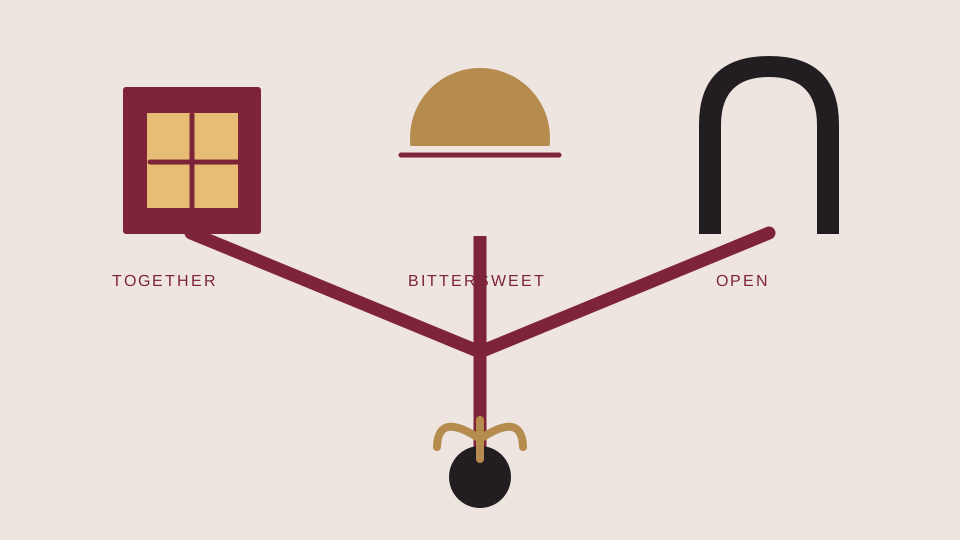
Happy, bittersweet and open endings can all land. What matters is the connection between the final feeling and the choices before it.
The entrance is only the beginning. A satisfying return needs preparation, agency and something beyond a second round of humiliation.
Read the article
A good reveal rewards what we noticed earlier, then gives the relationships a new problem to solve.
Read the article
One fictional scene, two ways to feel it: what happens when an inner thought becomes an action we can see?
Read the article