Second-Chance Romance: More Than One Apology
An old joke can bring back a feeling. A kept promise shows whether a new relationship might actually work.

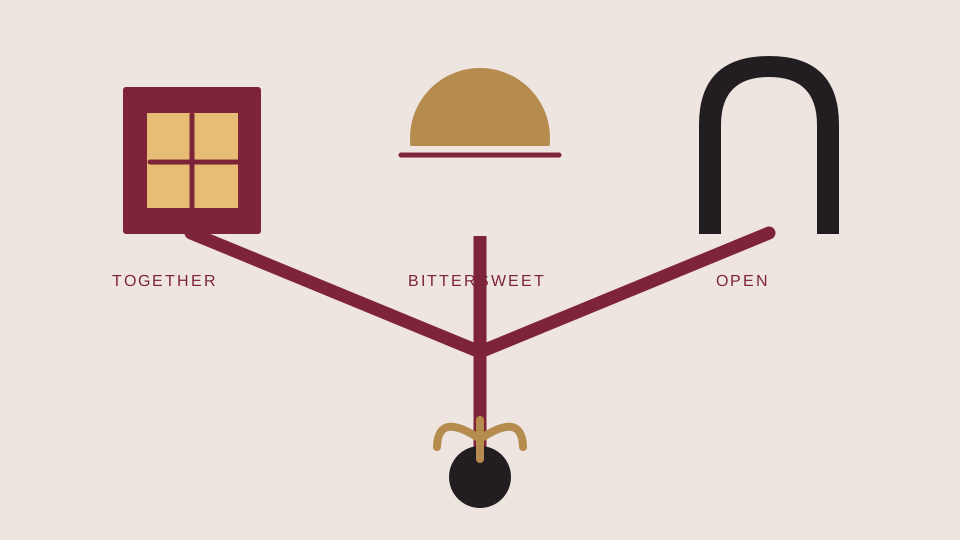
An old song can bring two people back into the same feeling. It cannot tell us whether they would make the same damaging decision again. That is the useful tension in a second-chance romance: familiarity draws the couple together while memory gives them reasons to hesitate.
The reunion becomes persuasive when the present contains evidence that the past will not simply repeat. An apology may open the conversation. Behaviour has to keep it open.
Nostalgia has an unfair advantage
The coffee is a lovely detail. It is not evidence that he will now turn up on time to collect the equipment. Their ease gives the reunion emotional possibility; the equipment gives it a test.
A story can enjoy both. The problem starts when every warm memory is treated as proof that Celia should stop asking questions. She does not have to deny that they were happy sometimes to remember why she left.
An apology should name the actual thing
“I was young” may be true. It is also a very large umbrella under which several different wrongs can hide. Did Ben fail to listen, make plans without asking, or leave Celia to deal with the consequences of his cancellations?
An apology becomes more useful when it describes the behaviour and its effect without immediately asking for a reward. Ben could acknowledge that calling himself carefree made Celia responsible for being dependable. He can explain what was happening in his life without making that explanation cancel hers.
Celia might also have something to recognise. Perhaps she said everything was fine until she could only express her frustration by leaving. That does not turn all responsibility into a perfectly equal split. Different people can have different work to do.
Let change survive inconvenience
The cinema project offers small, revealing tests. Ben confirms the collection time, arrives with the right vehicle, and calls when a road closure delays him. There is no audience applauding his improvement. Celia simply does not have to spend the morning wondering whether she will be abandoned with twelve folding chairs.
Later, he might offer to take over a task she wants to complete herself. Listening when she refuses matters as much as offering. Change is not a new heroic identity; it is a different response when the familiar situation returns.
One good day cannot guarantee a lasting relationship. A short drama can still suggest a pattern through carefully chosen moments: a promise made, a difficulty encountered, and the promise adjusted openly rather than quietly dropped. That sequence tells us more than a speech about becoming a better man.
Forgiveness is not a reset button
Celia may accept the apology and still choose not to date Ben. She may agree to one dinner while remaining angry about something that happened years earlier. Those reactions need not be obstacles the story rushes to defeat.
If forgiveness automatically restores the old level of access, the person who was hurt has little room to set new terms. A more hopeful version lets them decide what they can offer now. They might keep separate homes, move slowly, or agree to speak about a problem before either person retreats into a familiar defence.
The new relationship should also fit the people they have become. Celia's career or friendships need not shrink so that the old couple can be reconstructed exactly. Ben may love someone who has changed rather than waiting for the younger version of her to come back.
Recognition, then something new
The most convincing second chance combines the comfort of recognition with the surprise of a different choice. We can enjoy the old joke and notice who carries the chairs. If the romance gives both details their proper weight, a reunion can feel like a future the characters have helped build rather than a past the audience has been asked to forget.