The Misunderstanding Plot: Tension or Time-Wasting?
Two fictional situations show the difference between a difficult conversation and a question nobody is allowed to finish.

A misunderstanding can make a small moment suddenly enormous. Someone sees a familiar coat leaving a building, overhears half a sentence, or receives a message that was never meant for them. The audience begins arranging the facts while the characters act on an incomplete picture.
The question is not whether these mistakes happen in real life. They do. The question is whether this particular mistake gives us a revealing conflict or just delays a conversation the drama has no better reason to postpone.
A barrier that changes the conversation
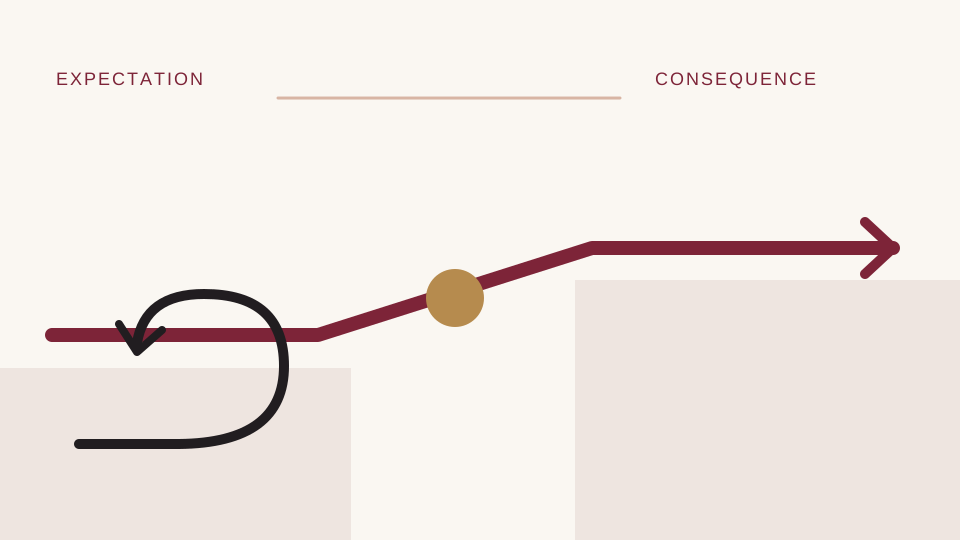
Malik cannot fairly settle the argument by sharing every detail. Sera has a legitimate reason to want an answer because she is responsible for the event. Their incomplete knowledge is attached to different obligations, not just to a phone ringing at an unlucky moment.
There is still something they can say. Malik can explain that a confidential issue is delaying payment, give a realistic date for an update, and acknowledge the position Sera is in. Sera can decide whether that is enough to keep working with him. The obstacle limits communication; it does not require both people to abandon it entirely.
That is where the emotional story lives. Does she interpret uncertainty as betrayal because of a previous experience? Does he hide behind confidentiality when he could offer practical help? The misunderstanding reveals how they respond to a problem that cannot be solved with complete disclosure.
A sentence that nobody is allowed to finish
One interruption could be funny or painful. Four interruptions do not automatically create a deeper problem. If Tomas has no reason to conceal the visit and Eva has repeated opportunities to ask again, the scene starts depending on both characters behaving unlike themselves.
The bouquet can still lead somewhere interesting. Perhaps Eva asks, and Tomas answers, but the conversation exposes how little they have discussed their families. Now the misunderstanding has done its job and the story can move. Keeping the flowers mysterious for several more episodes may preserve suspense while emptying it of substance.
Notice what happens after the missing fact arrives
An explanation should solve the part of the problem it actually explains. Learning about the aunt can clear up the bouquet. It cannot automatically resolve a pattern of dismissive answers or a history of jealousy. Conversely, if the explanation settles everything, the drama should allow that progress rather than immediately arranging another identical mistake.
In Sera and Malik's situation, more information may arrive gradually, and some of it may remain private. They can still repair trust by keeping the commitments they are able to make. The point is not to demand a confession of every fact. It is to show a workable relationship with uncertainty.
This is one reason an audience knowing more than the characters can be enjoyable. We can watch a mistaken interpretation collide with a character's personality. But when the audience is merely waiting for somebody to repeat a question we have already heard, anticipation can turn into administrative impatience.
A simple viewing test
Ask what prevents a clear conversation, what each person can reasonably say, and what changes after they try. If the answers involve privacy, fear, competing duties, or a belief the characters need to examine, there may be plenty to explore. If every answer is another interruption, the plot may be borrowing your patience rather than rewarding it.
A useful misunderstanding opens a problem worth discussing. It does not have to keep the obvious question unanswered forever to hold your attention.