What Makes an Ending Feel Earned?
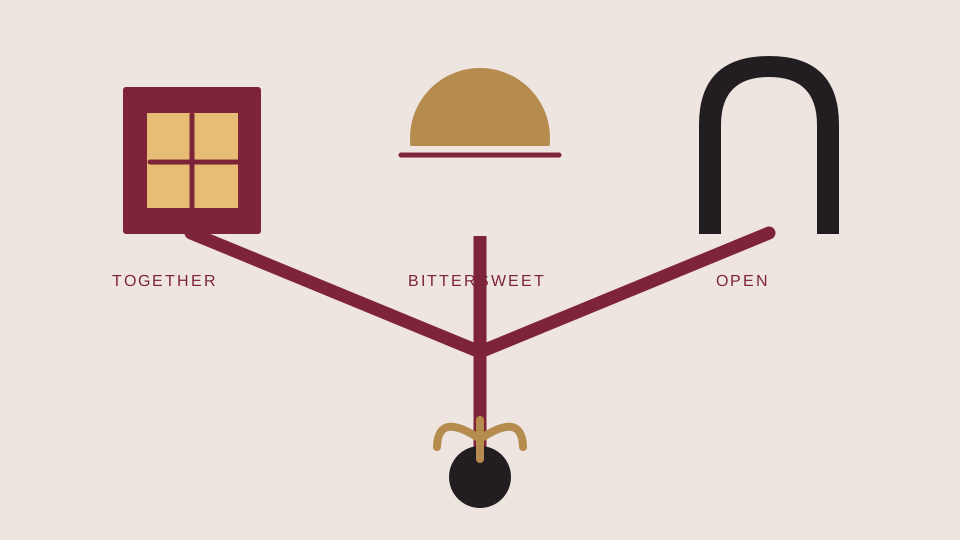
Happy, bittersweet and open endings can all land. What matters is the connection between the final feeling and the choices before it.
An ending can give the couple a wedding and still feel oddly unfinished. Another can leave them apart and feel painfully complete. The difference often lies in whether the final situation grows out of the choices and expectations the drama has spent time building.
An earned ending does not have to be the result we hoped for. It needs to recognise what the story taught us to care about, and give its characters a meaningful part in arriving there.
Let the final choice belong to the person making it
What would feel less complete is a sudden inheritance that removes every difficulty before Dev has to state a preference. Good fortune is allowed. But if the whole story has been about finding a voice, the ending owes us a moment in which he uses it.
The choice also needs a cost proportionate to the conflict. If leaving was supposed to mean losing something important, the final scene should not casually pretend that thing never mattered. A compromise can work wonderfully when we see what each person accepts and gives up.
Bring something back with a changed meaning
A small object, habit, or repeated situation can make an ending feel connected to the beginning. Perhaps Dev has always left his own name off the menu because he expects someone else to claim the business. Seeing him print it on a new menu can carry more emotional force than a crowd declaring that he has finally become confident.
The detail needs enough earlier presence to be recognisable. A photograph introduced only in the final minute cannot do the same work as a photograph we have seen him avoid, move, and eventually choose to keep.
Not every minor question needs a closing scene. An ending can leave practical details open while answering the emotional question. We may not need to know the restaurant's first-year turnover. We probably do need to know whether Dev is still hiding what he wants from the people closest to him.
A happy ending still needs a bridge
Happiness feels earned here because the final arrangement responds to the actual obstacles. A kiss does not make the practical concerns irrelevant. It gives the couple a reason to work through them.
Bittersweet does not mean unfinished
We can be sad about the separation while seeing growth. The conclusion offers an emotional destination even though it refuses the preferred romantic outcome. What matters is that the loss receives space, and that the characters are not suddenly made cruel simply to force them apart.
An open door needs somewhere to stand
An open ending can invite us to imagine what follows. It becomes frustrating when it withholds the central decision as though stopping were the same as resolving. We need enough ground beneath the characters to understand what has changed, even if we cannot see the whole road ahead.
A feeling that follows the story
Ask whether the ending answers the emotional question it raised, remembers the details it emphasised, and lets choices have consequences. Happy, bittersweet, and open endings can all do that. The most satisfying final scene is not necessarily the one that gives us everything. It is the one that makes what we receive feel connected to the time we spent getting there.