Cliffhanger or Broken Promise? How to Spot the Difference
The real test of a cliffhanger comes when you return: does the answer change anything?
A door opens. A familiar voice says something impossible. The episode ends before we see the face. A good cliffhanger can make that interruption feel delicious. A weaker one leaves us returning to the same door several times, each visit supplying another reason not to show who is there.
Suspense makes a promise about attention: this question matters, and watching will change what you know. The ending of an episode can delay the answer. It should not make the answer permanently less available.
A question with consequences
The next episode could reveal that her mother has returned but will not explain why. The signature question is answered; a new relationship problem opens. Alternatively, the courier could discover that the signature was forged, giving her a concrete reason to investigate who benefits from keeping the house occupied.
Either response changes the situation. We have not learned everything, but we have learned something we can use. The cliffhanger has not been cancelled; it has become the beginning of the next piece of story.
The same interruption in a louder coat
Any one of those events might work in context. Together they risk moving the answer away every time the audience gets close. The story is asking for another visit without offering a corresponding change in knowledge, stakes, or character.
A genuine complication should make the question more interesting, not merely harder to hear. Learning that the supposed witness has a reason to lie changes how we understand the evidence. A ringing phone that interrupts the same sentence again may change almost nothing.
Payoffs can be smaller than the mystery
A drama does not need to reveal its central secret in the next episode. It can answer a local question while protecting a larger one. The courier can learn who signed the parcel without learning why the house was kept. A romantic lead can admit that a date mattered without being ready to explain a family conflict.
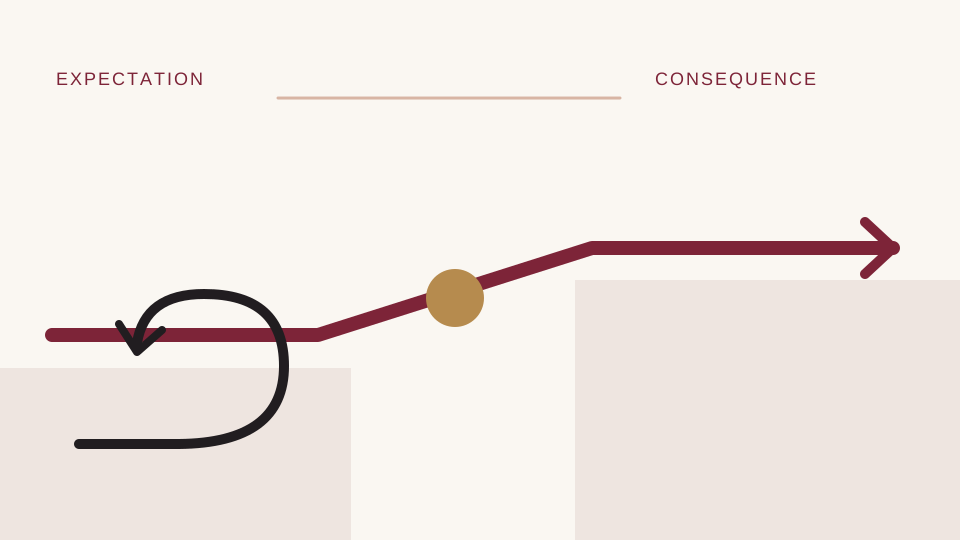
This is often how a story maintains momentum: an answer creates a consequence, and the consequence raises a new question. It feels different from a string of questions added to distract us from the absence of answers.
The size of the payoff should also suit the emphasis. If several episodes insist that a letter will transform the relationship, discovering it contains an ordinary shopping list needs a meaningful explanation. A joke can deflate a small tease. It is less satisfying when it dismisses an emotional promise the story repeatedly asked us to take seriously.
Notice whether the characters get to act
After a revelation, somebody should be able to do something differently, even if the choice goes badly. The courier might confront a relative, protect the building, or decide she is not ready to knock again. Her response gives the information weight.
If the drama immediately resets her knowledge through a convenient accident, or arranges a new emergency before she can react, the cliffhanger becomes detached from its own characters. We are following an interruption mechanism rather than a person dealing with news.
There is room for outrageous coincidence in entertainment. The question is whether coincidence keeps opening possibilities or repeatedly closes the only door we wanted to walk through.
Keep an eye on the return
Judge a cliffhanger partly by the episode after it. Did the drama engage with the question it highlighted? Did the answer carry a consequence? A satisfying return can leave plenty unresolved while making your attention feel well spent. If the answer keeps retreating unchanged, disappointment may be the reasonable response to a promise that has not yet been kept.